

Our Members

For over 40 years, IECBs and AECGS have been at the forefront of community-led education advocacy, ensuring that First Nations voices drive policy, practice, and decision-making.
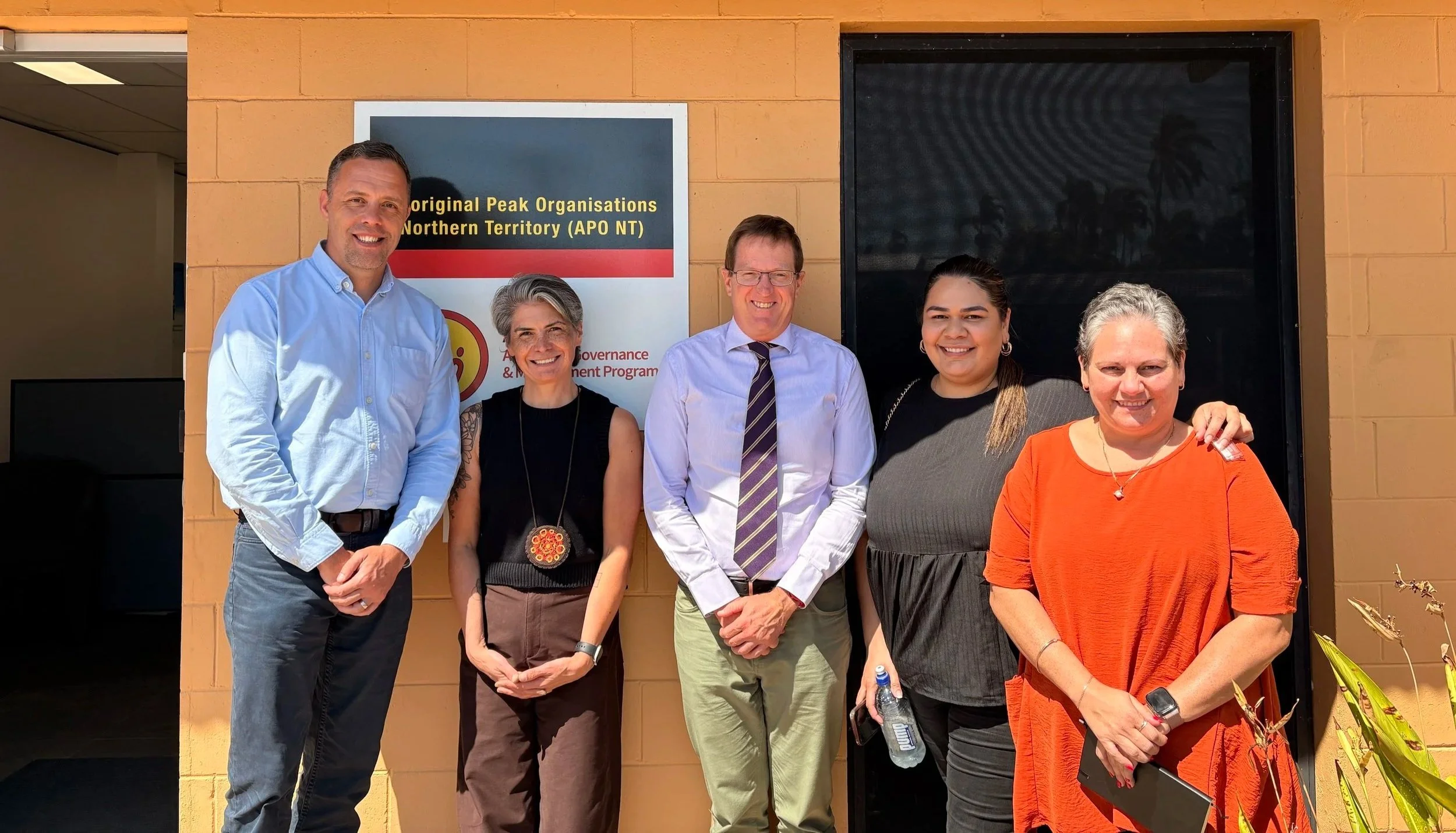
One of NATSIEC’s key roles is to strengthen First Nations education governance; the structures that allow our communities to have a say over education policy, funding, curriculum, data, workforce, accountability and reform.
That means working with and through our members who are Indigenous Education Consultative Bodies or Aboriginal Education Consultative Groups. These are First Nations education bodies that have carried advocacy, advice, community voice and system accountability across states and territories for decades.
These organisations are well known in their own jurisdictions, and embedded deeply in community education spaces, and have long enduring partnerships with their jurisdictional education systems. The New South Wales Aboriginal Education Consultative Group (NSW AECG), The Victorian Aboriginal Education Association Incorporated (VAEAI), The South Australian Aboriginal Education and Training Consultative Council (SAAETCC) and The Torres Strait Islanders’ Regional Education Council (TSIREC).
Different places have different histories and structures, but the principle is the same: our communities need strong, independent First Nations education bodies with the authority and resources to shape what happens to our learners.

The NSW Aboriginal Education Consultative Group Inc. (NSW AECG) is the peak Aboriginal community advisory body for education and training in New South Wales. It ensures that advice to government reflects Aboriginal community perspectives.
NSW AECG’s statewide network structure comprises of and coordinates more than 140 local AECGs, 20 regional AECGs and the State Committee, which meets twice a year. This enables community priorities to inform local regional and statewide decision-making. Through the network, it delivers advocacy, community engagement, professional development and cultural education programs shaped by local and regional community leadership.
The South Australian Aboriginal Education and Training Consultative Council (SAAETCC) is an Aboriginal community-controlled organisation that represents and advocates for Aboriginal people in education and training.
Its elected Board brings together regional and education-sector representatives and meets quarterly to consider emerging state and national priorities. SAAETCC provides strategic advice to Commonwealth and South Australian ministers and senior decision-makers in education and early childhood development. It also delivers programs and community engagement services that support improved education outcomes for Aboriginal people and communities across South Australia.

The Victorian Aboriginal Education Association Incorporated (VAEAI) is the peak Koorie education body in Victoria. It represents Koorie communities in education policy and planning at local, regional, state and national levels, and advises governments on community education needs.
VAEAI’s representative structure spans eight regions, each with local Aboriginal Education Consultative Groups. It also supports education and training reforms and initiatives that strengthen cultural identity, build wider awareness of Koorie culture and advance community aspirations. Key services include advocacy, community engagement, policy advice and early years professional learning.
The Torres Strait Islanders’ Regional Education Council (TSIREC) is a community-led peak advocacy body representing the Torres Strait Nation’s priorities in education, training and employment. It connects communities with state and Commonwealth governments and supports community participation in policy, planning and reform.
TSIREC’s Council comprises elected representatives from Torres Strait communities who advocate for local priorities and work collectively on regional strategies. YUMI Education Inc., established by TSIREC members as an integrated service provider, delivers community-endorsed services aligned with these priorities. Its work includes early years, school engagement and local capacity development programs.