


First Nations Education Policy (FNEP)
The First Nations Education Policy (FNEP) is a national framework that aims to define the national aspirations and priorities for First Nations education and improve the outcomes and experiences of First Nations learners across Australia. The First Nations Education Policy covers each stage of the education journey for First Nations learners including Early Childhood Education, Schooling, Vocational Education and Training, Higher Education, Adult Learning, and Employment pathways.
The First Nations Education Policy builds on the legacy of the 1989 National Aboriginal and Torres Strait Islander Education Policy (AEP) which was informed by the leadership of First Nations experts across education, evidence and insight from community, community priorities and aspirations, and asserted that First Nations people must lead decisions about our learning. The development of the First Nations Education Policy provides a significant opportunity for systems change and transformation, moving towards self-determined, First Nations governed education that is reflective of the contexts, cultures, communities, identities and Countries of First Nations learners, embeds mechanisms for transparency and accountability, and enables partnerships and shared-decision making.
The First Nations Education Policy was developed by the Education Department in partnership with NATSIEC and First Nations peak organisations (First Nations partners). These organisations included SNAICC – National Voice of our Children, the National Aboriginal and Torres Strait Islander Principals Association (NATSIPA), the National Indigenous Youth Education Coalition (NIYEC) and the National Aboriginal & Torres Strait Islander Higher Education Consortium (NATSIHEC).
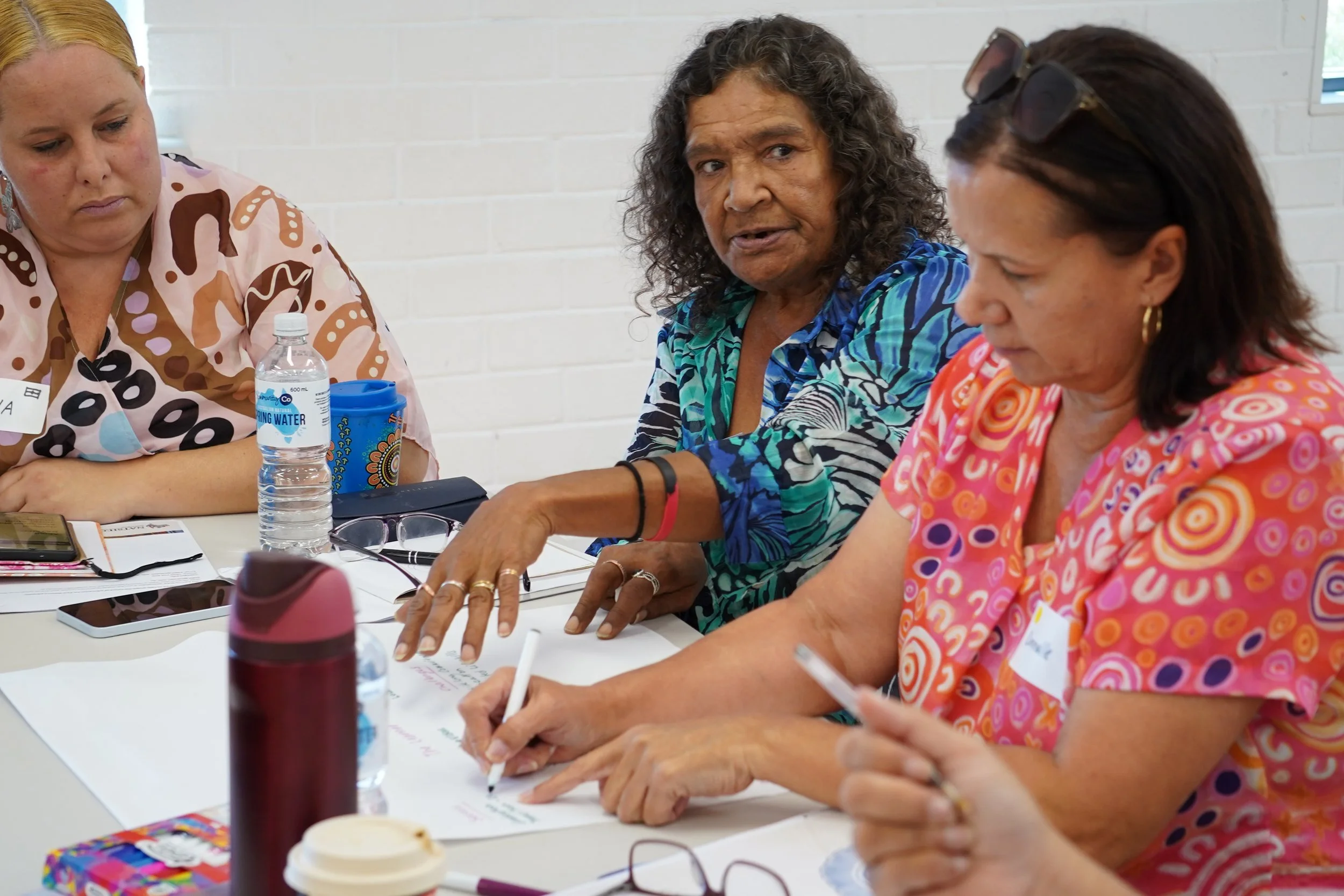
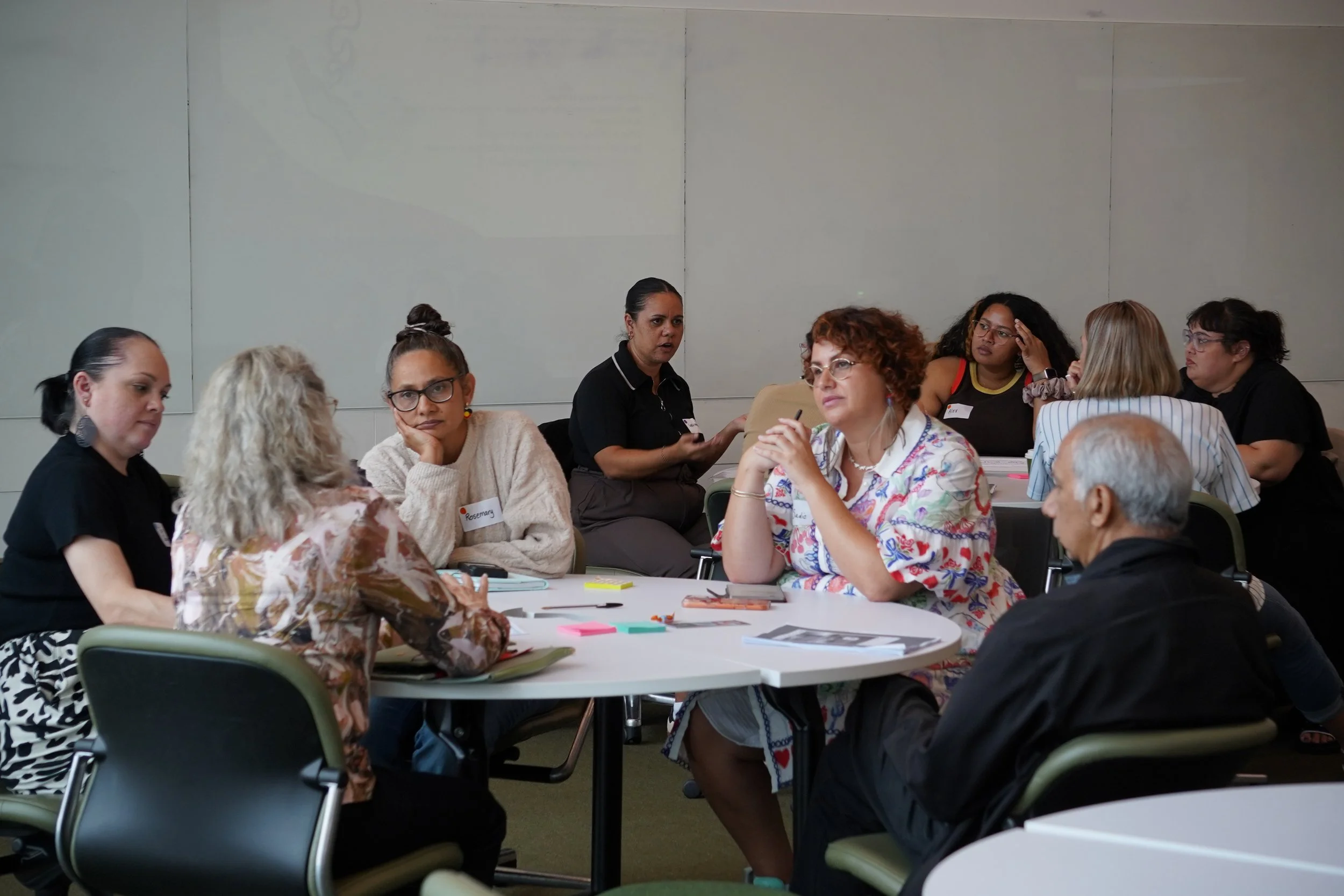
Through extensive national community consultations, NATSIEC facilitated over 50 in-person and online workshops with over 800 First Nations participants. NATSIEC also received over 300 survey submissions from First Nations people and First Nations organisations. NATSIEC heard from First Nations educators, community leaders, university students, Aboriginal Community Controlled Organisations (ACCOs) and First Nations workforce. Together, they provided important insights into the different ways First Nations people experience, participate in, and are often excluded from education settings.
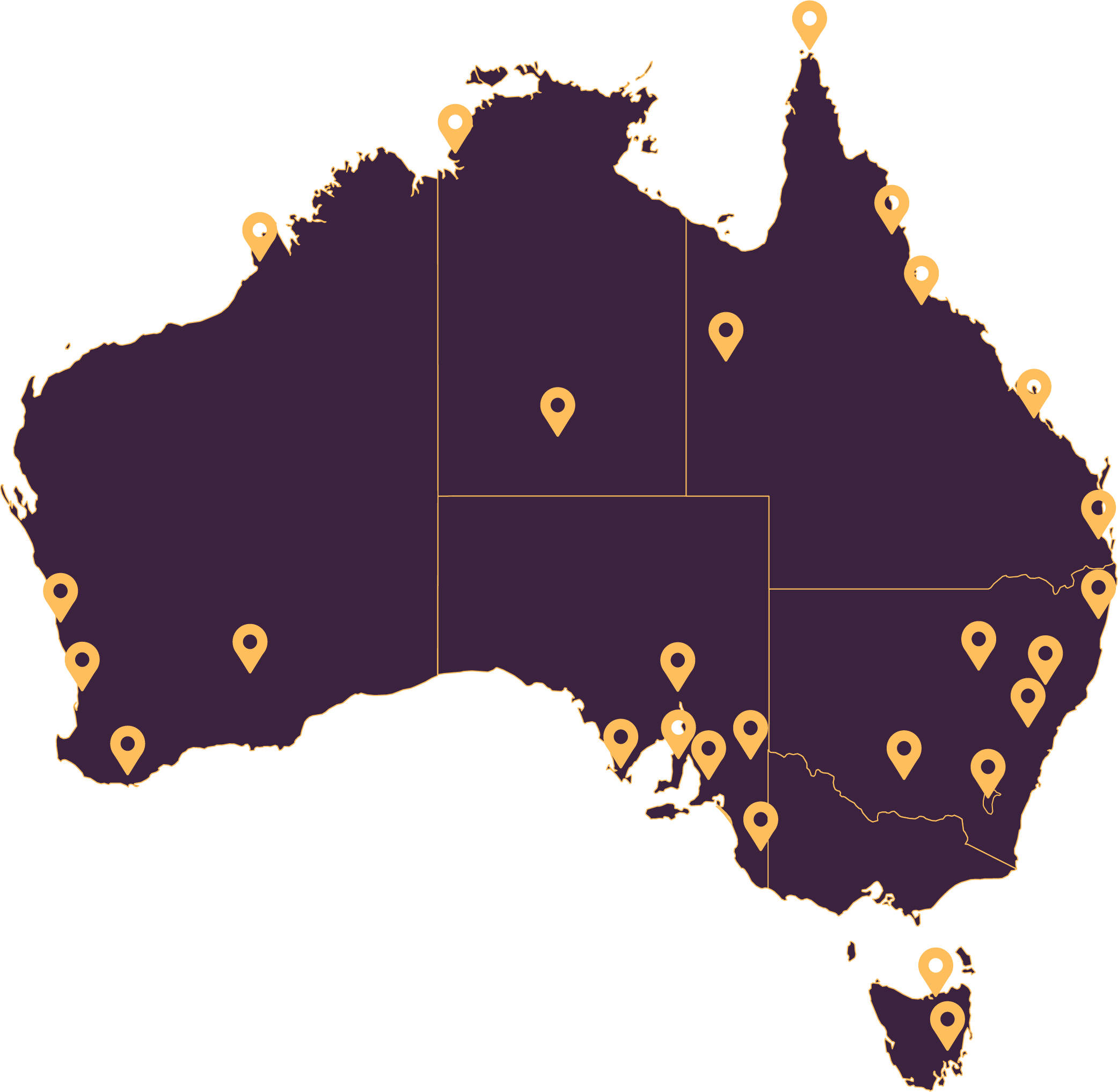
Locations
Western Australia
Perth
Geraldton
Kalgoorlie
Albany
Broome
New South Wales
Hunter
Ballina
Dubbo
Metro & Dharawal
Riverina
Tasmania
Hobart
Launceston
Northern Territory
Darwin
Alice Springs
South Australia
Port Augusta
Riverland
Yorke Peninsula
Mount Gambier
Noarlunga
Port Lincoln
Victoria
Across VAEAI networks
Queensland
Cairns
Brisbane
Mt Isa
Rockhampton
Townsville
Torres Strait Islands
ACT
Canberra
Findings
NATSIEC’s Report centred around 5 Pillars and included 13 Recommendations for the development of the Policy:
-
Recommendation 1.1
Establish genuine, mandatory shared decision-making mechanisms across education settings and sectors that move current arrangements of participation, consultation and advice toward a structural transfer of power.Recommendation 1.2
Enable genuine, self-determined First Nations governance at all levels of education settings and systems. This should further the work of NATSIEC, as the national peak body, and state and territory IECBs to ensure there First Nations decision-making at all levels of education system design, including policy, workforce, curriculum, evaluation and funding allocation. -
Recommendation 2.1
Embed First Nations knowledges, languages, histories, identities and ways of knowing within the design and delivery of education across all levels, sectors and systems. This includes curriculum, pedagogy, assessment, teacher standards and ongoing professional learning. This work must be led and shaped by First Nations peoples, including local communities, Elders, families and knowledge holders, to reflect local cultures, ancestral languages, histories, identities, priorities and aspirations for learning.Recommendation 2.2
Recognise Aboriginal English and Kriol as legitimate First Nations language systems in education policy, pedagogy, assessment and funding. This must include mandatory professional learning for educators, school leaders and other education staff. School education systems must review EAL/D and SRS-related funding settings to ensure learners who use Aboriginal English or Kriol can access appropriate language and literacy support without being treated as deficient. -
Recommendation 3.1
Develop a national anti-racism and cultural safety framework that applies across all learning settings and clearly names, defines and addresses direct, structural and institutional racism. This framework must identify and challenge deficit framings of First Nations peoples, including racist and harmful narratives about First Nations communities, knowledges, cultures, languages and histories, and include tools to ensure these narratives are not reproduced in education settings.Recommendation 3.2
Require education systems to establish accessible mechanisms for reporting and responding to racism and cultural unsafety. These mechanisms must be available to First Nations learners, families, educators, workforce and communities, require timely and transparent responses, and enforce system accountability when harm occurs.Recommendation 3.3
Require education systems to create and maintain the conditions for cultural safety through mandatory cultural safety and anti-racism training, local community accountability mechanisms, and First Nations-led evaluation of whether learning environments are safe, respectful, accountable and free from racism.Recommendation 3.4
Address structural and systemic barriers to education through sustained investment, consistent policy implementation and strengthened partnerships with First Nations communities, organisations and services. This should include coordinated wrap-around support for learners, families and communities, and system responses that better support learners across remote, regional, island and maritime contexts, transition points, health, housing and other socioeconomic barriers. -
Recommendation 4.1
Recognise the role of educator as a broader concept than current systems often allow. The way First Nations knowledge holders, Elders, families and communities are valued, respected and remunerated must reflect the valuable contributions they make as educators in learning settings.Recommendation 4.2
Strengthen First Nations education workforce pathways, retention and leadership, including through targeted investment, recognition of prior learning and community expertise, and locally driven pathways into formal education qualifications. This must include recognising colonial load and cultural unsafety as workforce conditions affecting retention, wellbeing, workload and First Nations workforce targets.Recommendation 4.3
Broaden the definition of “educator” in education policy, workforce frameworks, teacher standards and professional learning to recognise Country, Elders, families, communities and knowledge holders as first educators. This must include building non-Indigenous educator capability and accountability and ensuring First Nations peoples are formally recognised and appropriately remunerated for their contributions to learning settings. -
Recommendation 5.1
Establish First Nations authority over education data, including how data about First Nations learners, communities and education outcomes is collected, governed, interpreted, stored, shared and used.Recommendation 5.2
Embed community-defined measures of educational success into education data, reporting and accountability frameworks. This must include mechanisms that require systems to act on these measures in policy, funding, program design and evaluation, rather than relying only on system-defined measures of success