
About Us
Our Role
NATSIEC’s role is to provide united, national representation to government, actively shaping the agenda for national education policy to support lifelong learning for Aboriginal and Torres Strait Islander people.
We share learnings from the community- controlled, state- and territory-based Indigenous Education Consultative Bodies (IECBs) and work to build capacity across all jurisdictions. Our work is always learner-centred, fostering collaboration and alignment nationwide.
Our Story
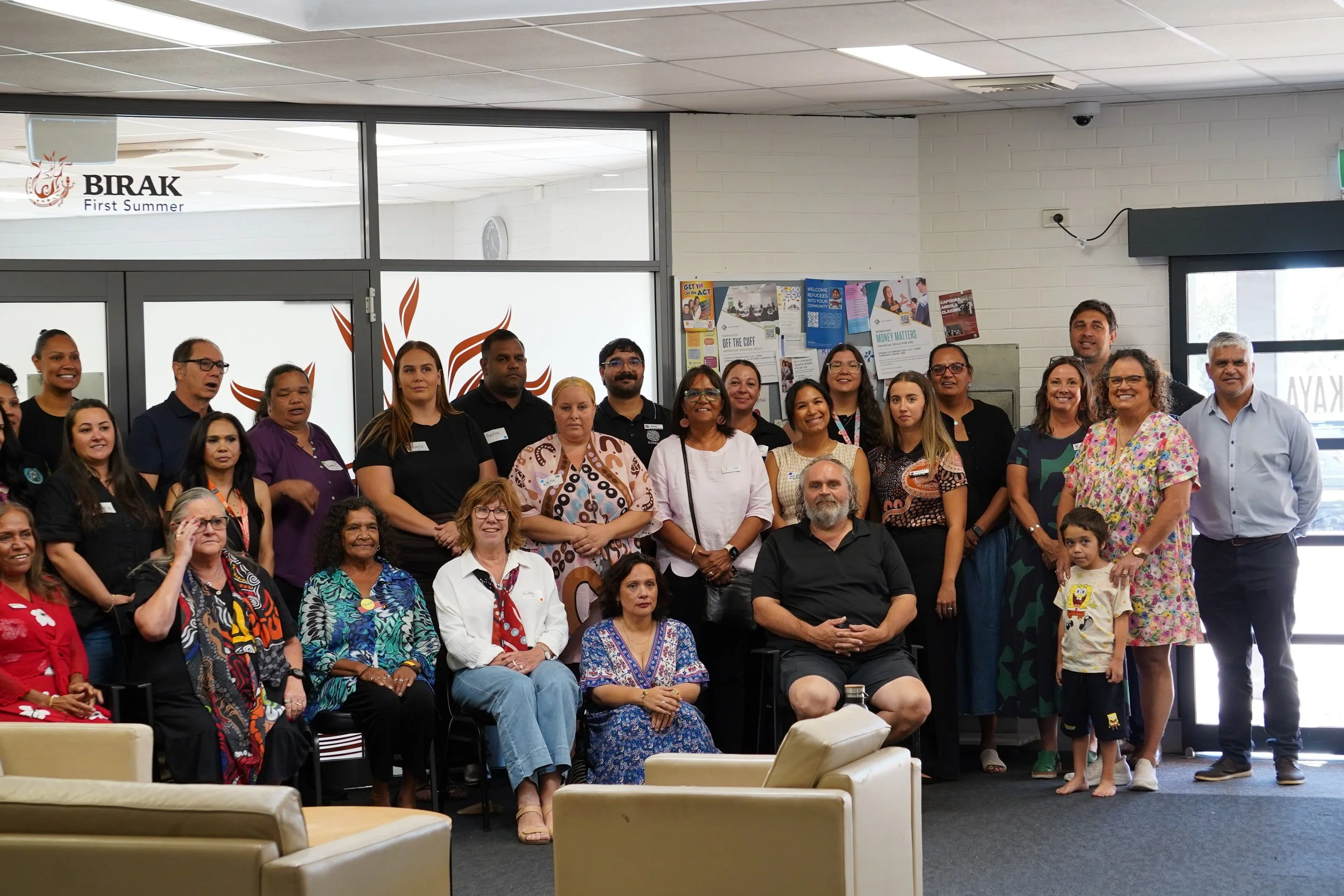
NATSIEC stands in a long line of First Nations advocacy for education justice. We were formed through more than 40 years of collective leadership from state and territory Indigenous Education Consultative Bodies. These bodies continue to anchor our work in community authority, cultural knowledge and lived experience.
We carry forward the legacy of the 1977 National Aboriginal Education Committee and the 1989 National Aboriginal and Torres Strait Islander Education Policy, both of which asserted that First Nations people must lead decisions about our children’s learning.
Formally incorporated under the Office of the Registrar of Indigenous Corporations in 2023, NATSIEC now holds a Partnership Agreement with all Australian Education Ministers through the Education Ministers Meeting, and works directly with the Australian Government Department of Education. Our role is to influence national policy, strengthen cultural safety, and ensure governments are accountable to Aboriginal and Torres Strait Islander communities.
What We Do

Provides strategic and technical advice to jurisdictions and national bodies

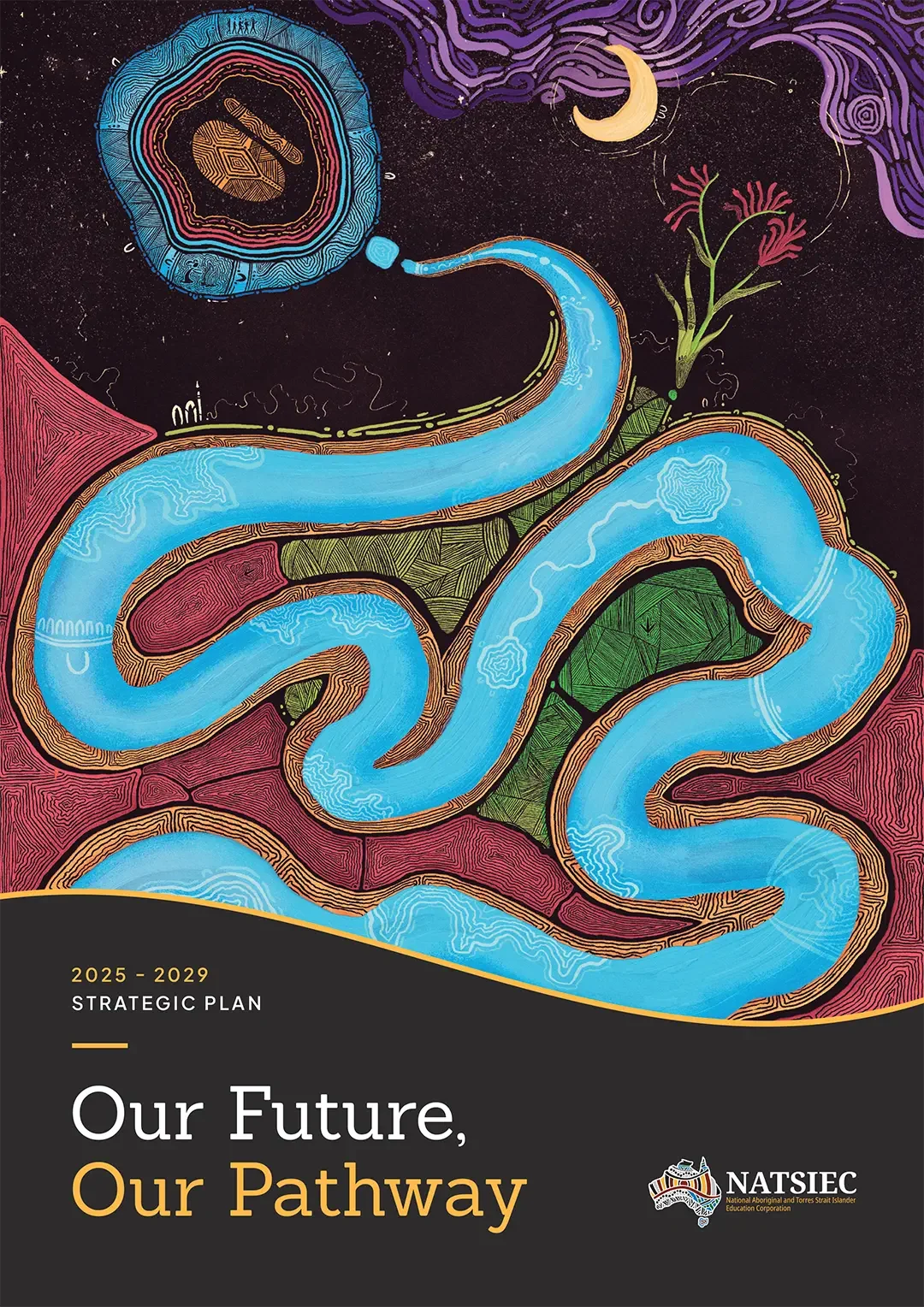
Drives system-wide change through the Strategic Plan 2025 to 2029

Leads national policy development informed by First Nations expertise

Advocates for First Nations data sovereignty and ethical data practice

Strengthens cultural safety and anti-racism across education systems

Supports the establishment and growth of Indigenous Education Consultative Bodies

Connects community leadership, sector expertise and government reform
Our Board
-
![]()
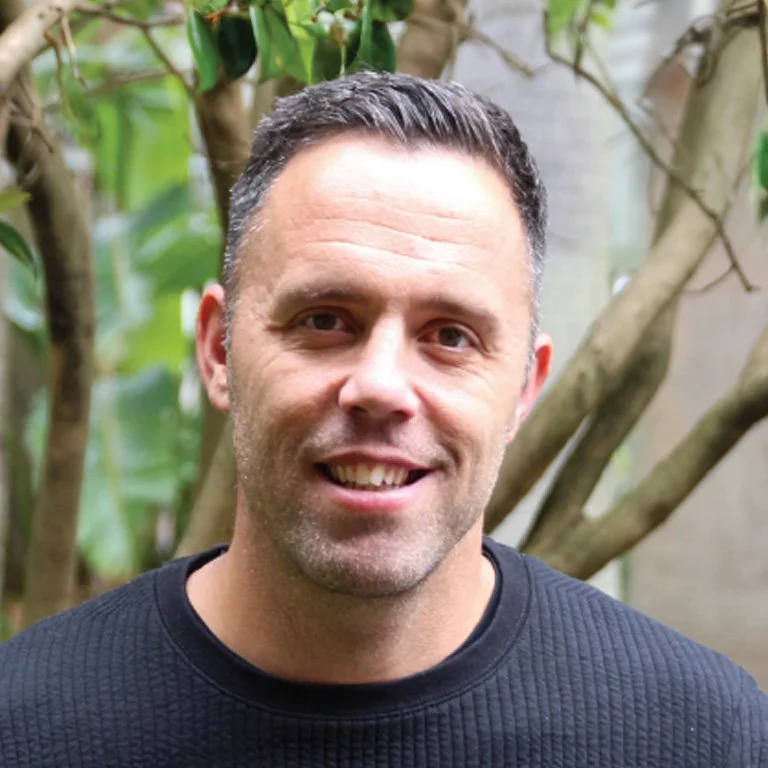
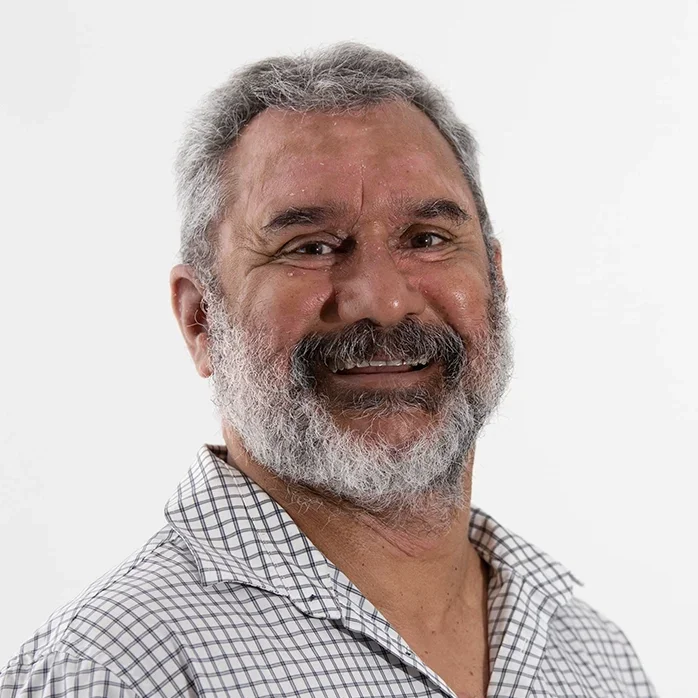
Raymond Ingrey
Chair
Ray Ingrey is a Dharawal and Dunghutti man from the La Perouse community in Sydney. He has been involved in Aboriginal education for more than two decades through the NSW Aboriginal Education Consultative Group (NSW AECG), where he currently serves as President. Ray has led Dharawal language reclamation for over 23 years and is a Board member of the NSW Aboriginal Languages Trust.
-
![]()
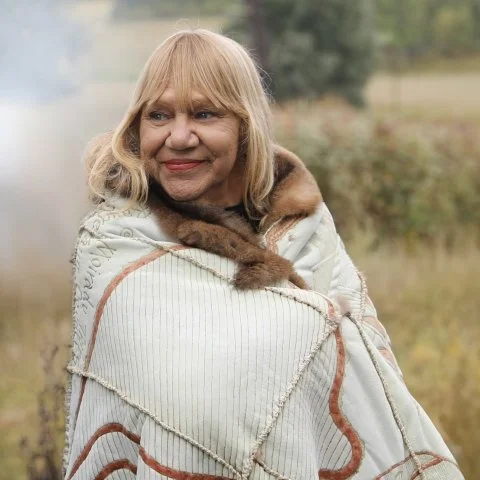
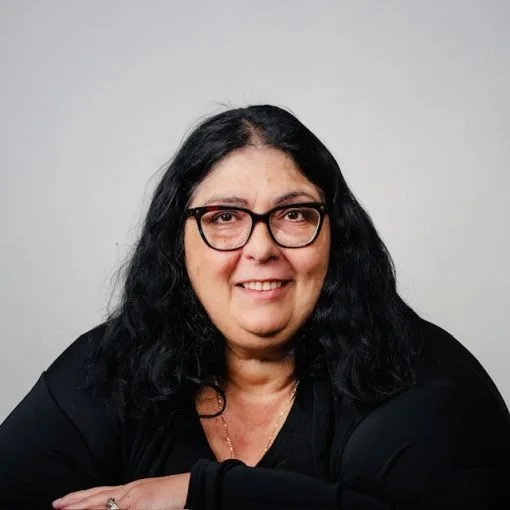
Aunty Geraldine Atkinson AO
Director
A proud Bangerang and Wiradjuri woman, Aunty Geraldine has been a driving force for Aboriginal education reform for more than 40 years. She is a long-time leader of the Victorian Aboriginal Education Association Incorporated (VAEAI) and a respected national advocate. -
![]()
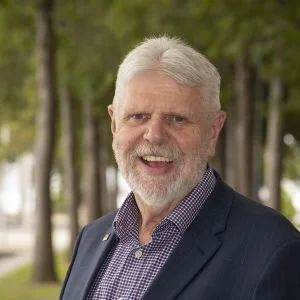
Professor Mark Rose
Director
Professor Mark Rose is a proud Gunditjmara man and a senior leader in Aboriginal education across higher education, schooling and national policy. He represents the Victorian Aboriginal Education Association Incorporated. -
![]()
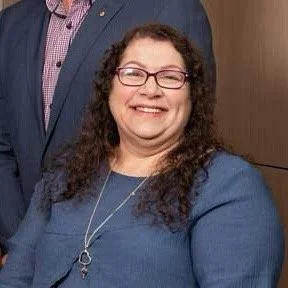
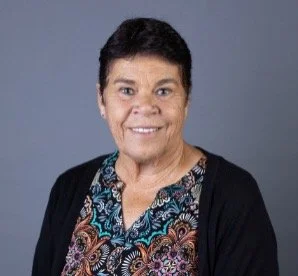
Christine Thyer
Director and Treasurer
Christine Thyer is a Ngarrindjeri woman from the Coorong region in South Australia. She has worked for more than 15 years across public education systems and First Nations education. Christine currently serves as CEO of the South Australian Aboriginal Education and Training Consultative Council (SAAETCC). -
![]()
Donna Henry
Director
Donna Henry is a Quandamooka woman living on Kaurna Country and the current Chair of the South Australian Aboriginal Education and Training Consultative Council (SAAETCC). She brings experience across education, child protection and community governance, including her role as Chair of the Aboriginal Family Support Service, and is a committed advocate for Aboriginal children’s rights and cultural connection.
-
![]()
Anne Dennis
Director
Anne Dennis is a Gamilaraay woman from Walgett with more than 30 years’ experience in teaching and Aboriginal education advocacy. She is the Vice President and a Life Member of the NSW AECG. Anne also contributes to several Aboriginal organisations, ensuring community voices shape education and local priorities.
-
![]()
Ned David
Director
Ned David is a Kulkalaig man from Tudu in the Central Torres Strait with deep ties across Iama, Mer and Saibai. He chairs Gur A Baradharaw Kod and leads both the Torres Strait Islanders Regional Education Council (TSIREC) and Malu Lamar RNTBC. Ned brings long experience in government and community governance, including as former Chair of the Commonwealth Advisory Committee on Indigenous Repatriation.
Our Team
-
![]()
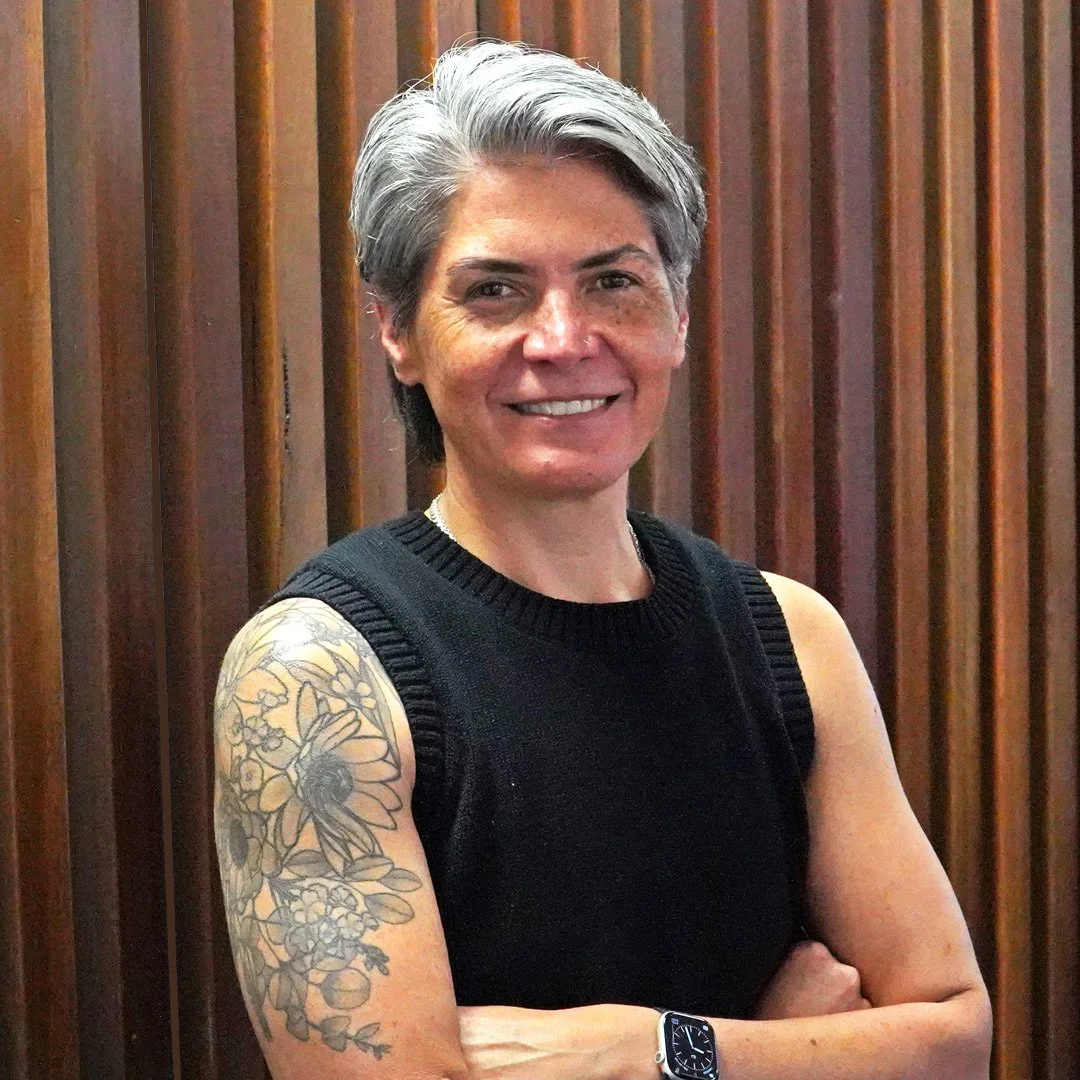
Shas Jurud
Chief Executive Officer
Shas Jurud (they/them) is a non-binary Bardi Kija person from the Kimberley in Western Australia and the inaugural CEO of the National Aboriginal and Torres Strait Islander Education Corporation. With education degrees from the University of Notre Dame Broome and the University of Oxford, they have worked for more than a decade in First Nations education, leading key initiatives at both national and state levels. Shas currently serves on the boards of the Stronger Smarter Institution and the Aurora Education Foundation, and is an Honorary Research Fellow at the University of Western Australia.
-
![]()
Anton Schirripa
Deputy Chief Executive Officer - Strategic Reform, Membership and Engagement
Anton Schirripa (he/him) is a Ngarabal man from Tenterfield and Emmaville in Northern NSW. Anton has degrees in Secondary Education, First Nations Education and Youth Mental Health, working as a science and english teacher for over a decade before moving into supporting young people with complex and challenging behaviours. Anton has extensive experience in trauma-informed, culturally responsive education practices, and multisystem approaches to education success, specialising in recognising the vital role community and ACCOs play in learning settings. Anton is the Deputy Chief Executive Officer - Strategic Reform, Membership and Engagement, bringing extensive education experience to inform national policy and strategy development, and building partnerships between NATSIEC and youth and education centred Aboriginal Communtiy Controlled Organisations.
-
![]()
Bianca Brim
Lead – Strategic Operations and Governance
Bianca Brim (she/her) is a proud Anmatjere and Alyawarre woman from the Northern Territory, with strong family connections to Queensland. She is an experienced leader with more than 15 years’ experience across government, policy, governance and Aboriginal and Torres Strait Islander affairs.
Bianca is currently the Strategic Operations and Governance Lead, where she leads governance, compliance and strategic operations. She has previously held senior roles with the Coalition of Peaks, AIATSIS and the Commonwealth Government, bringing extensive experience in First Nations policy, education, stakeholder engagement and working with Aboriginal and Torres Strait Islander communities and organisations.
-
![]()
Jacinta Onus
Executive Officer
Jacinta Onus (she/her) is a proud Bindal and Gunditjmara woman with family connections to both Townsville and Portland. Born and raised in Townsville, she has lived and worked on Ngunnawal Country for the past decade. Jacinta’s background has been in First Nations education policy and program development, with a strong commitment to advancing educational outcomes for mob. She currently serves as Executive Officer to the CEO within the Office of the CEO, where she provides strategic and operational support across a broad range of organisational priorities. Jacinta also works in the governance space, contributing to board and organisational governance processes.
-
![]()
Emily Lynam
Policy Reform Officer
Emily Lynam (she/her) is a Gangalidda person, whose people hold the native title rights and interests in land and sea country in the southern Gulf of Carpentaria. This area stretches east from the Northern Territory border to the Leichhardt River near Burketown. Emily also has close family ties with Kalkadoon and Mitakoodi peoples. She is currently living in Gurambilbarra, the lands of the Wulgurukaba and Bindal people. Emily has worked throughout her career in the Indigenous affairs space, with particular focus on supporting First Nations people and strengthening outcomes for their communities. She is currently working as a Policy Reform Officer, determined to improve First Nations education outcomes through policy reform. -
![]()
Charlotte Panarello
Education Reform Officer
Charlotte Panarello (she/her) is a Wiradjuri, Kullilli woman from Darlington Point, NSW with strong ties to Griffith and Wagga Wagga. Charlotte is currently living in Canberra on Ngunnawal Country. Charlotte is an experienced primary school teacher with 10 years’ experience in education. Charlotte is the Education Reform Officer at NATSIEC working in the Education Systems Reform team.
-
![]()
Serena Barton
Senior Project Officer
Serena Barton (she/they) is a Wuthathi, Yadhaigana, and Gurindji person from Cape York and Central Northern Territory with traditional connections to Waibene, Thursday Island in the Torres Straits, and Ngāti Porou from Te Toka a Taiau in East Gisborne to Potikirua in Aotearoa. Serena is located in Naarm, living and working on the lands of the Wurundjeri and Boon Wurrung people of the Kulin Nations, but is originally from Garramilla, Darwin on the lands of the Larrakia people. Serena's background is in strategic reform and policy development with a focus on anti-racism and cultural safety. Serena is the Senior Project Officer at NATSIEC working in the Strategic Reform, Membership and Engagement team.
-
![]()
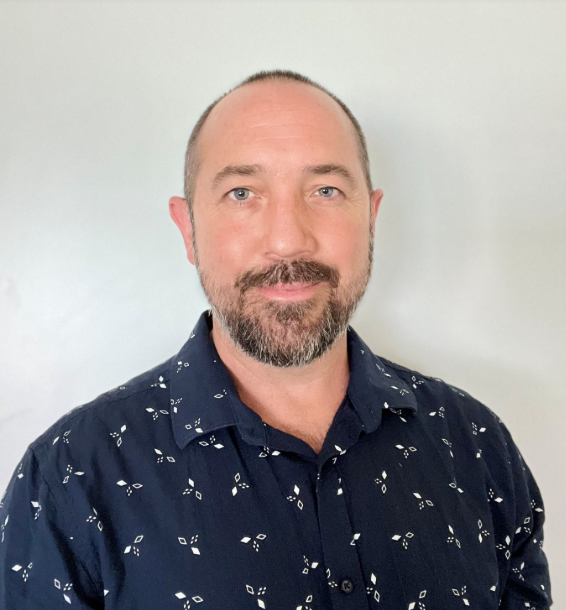
Joe Cavanagh
Governance Support Officer
Joe Cavanagh (he/him) is a non-Indigenous man and former teacher who has worked within the schooling, university and Aboriginal community-controlled education sectors for the past 20 years. Joe holds a Bachelor of Education and a Master of Social Science. Joe is currently working part time for NATSIEC, providing governance support.
-
![]()
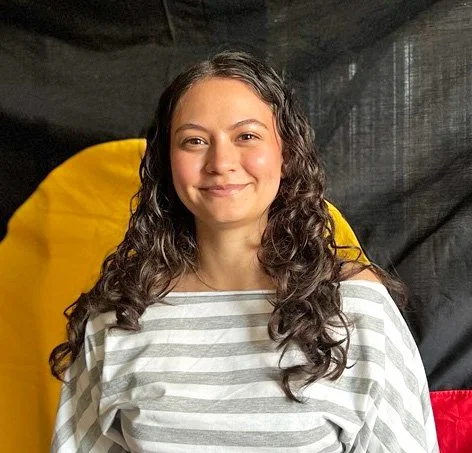
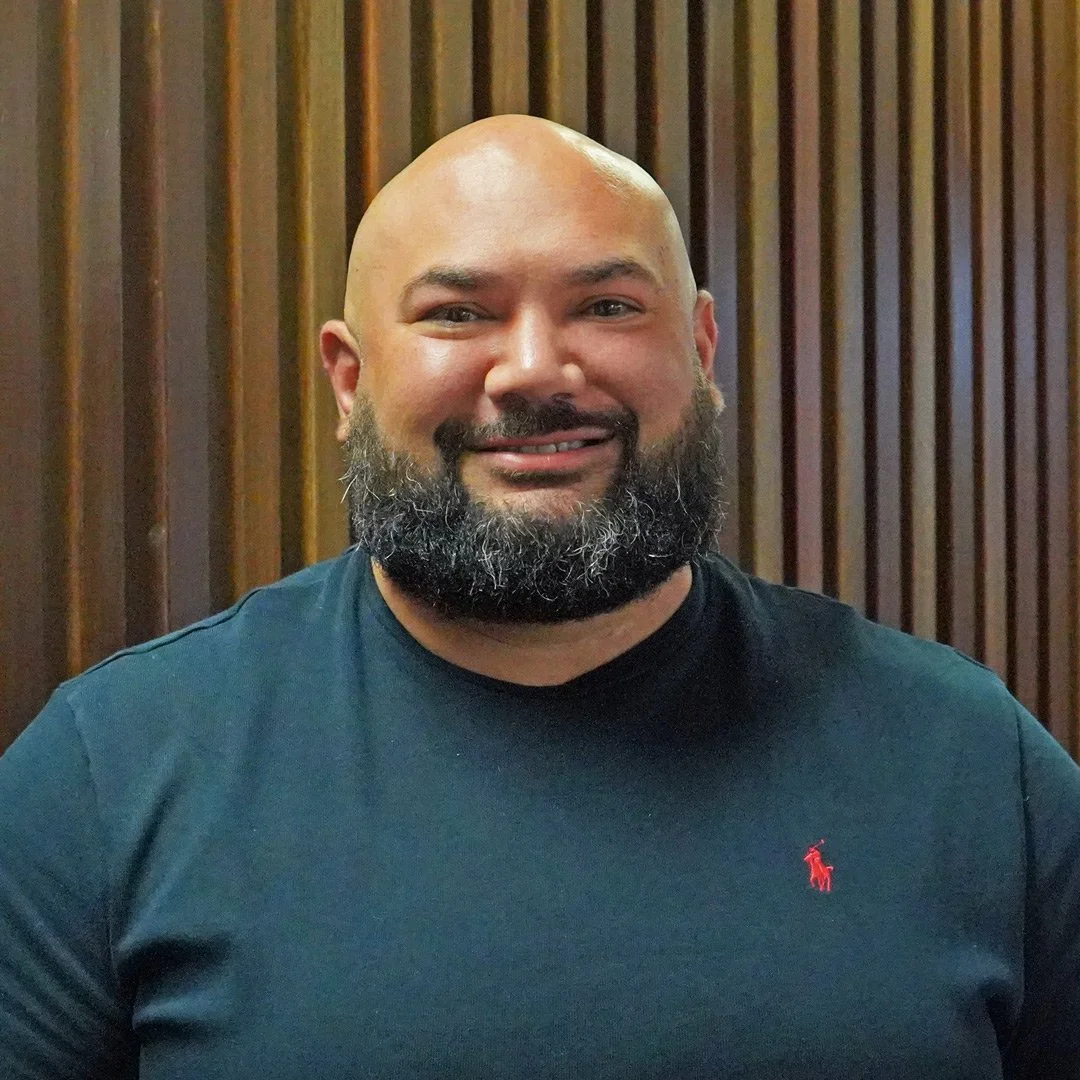
Derek Kinchela
Lead — Education Systems Reform
Derek Kinchela (he/him) is a proud Gamilaroi and Yuggera man with family connections across Queensland and New South Wales. A qualified secondary teacher, he has experience across higher education, schools, national education policy and system reform, supporting First Nations student success, cultural responsiveness and institutional change.
As Lead, Education Systems Reform at NATSIEC, Derek leads engagement in national education reform and intergovernmental processes, strengthening First Nations leadership, governance and influence in policies shaping education for Aboriginal and Torres Strait Islander students, educators and communities.
-
![]()
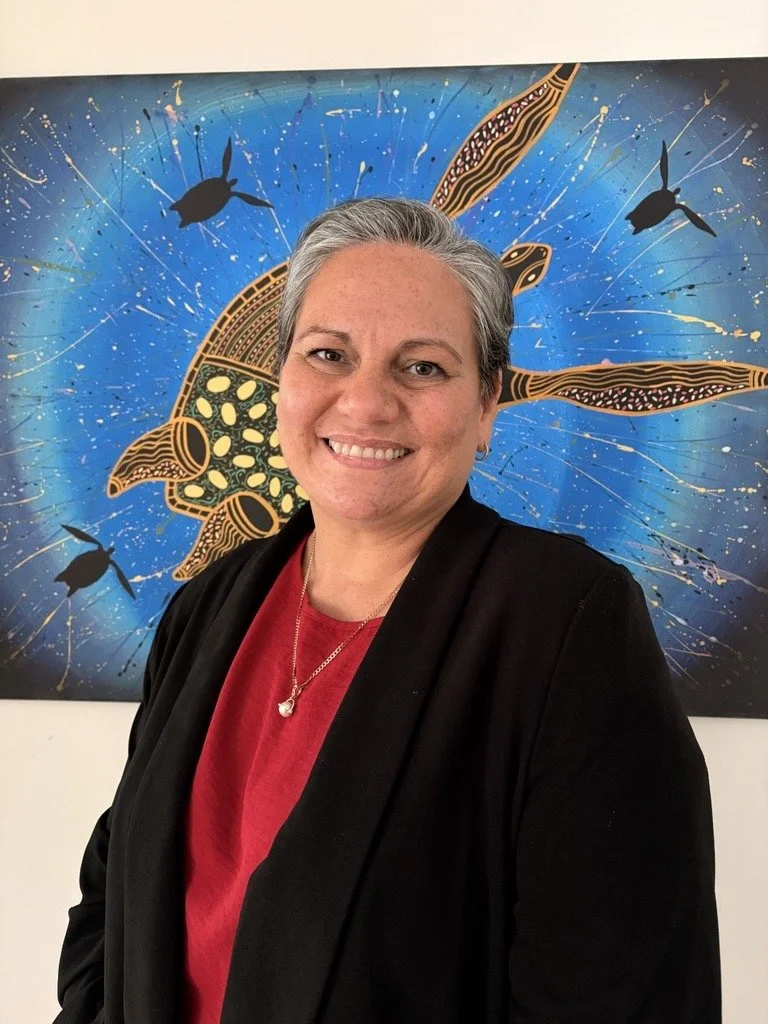
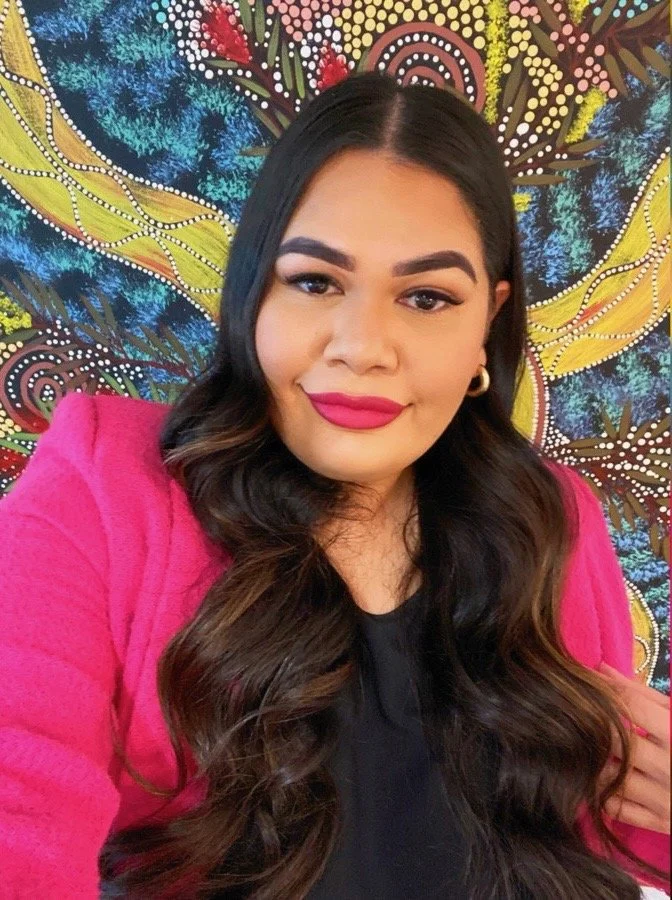
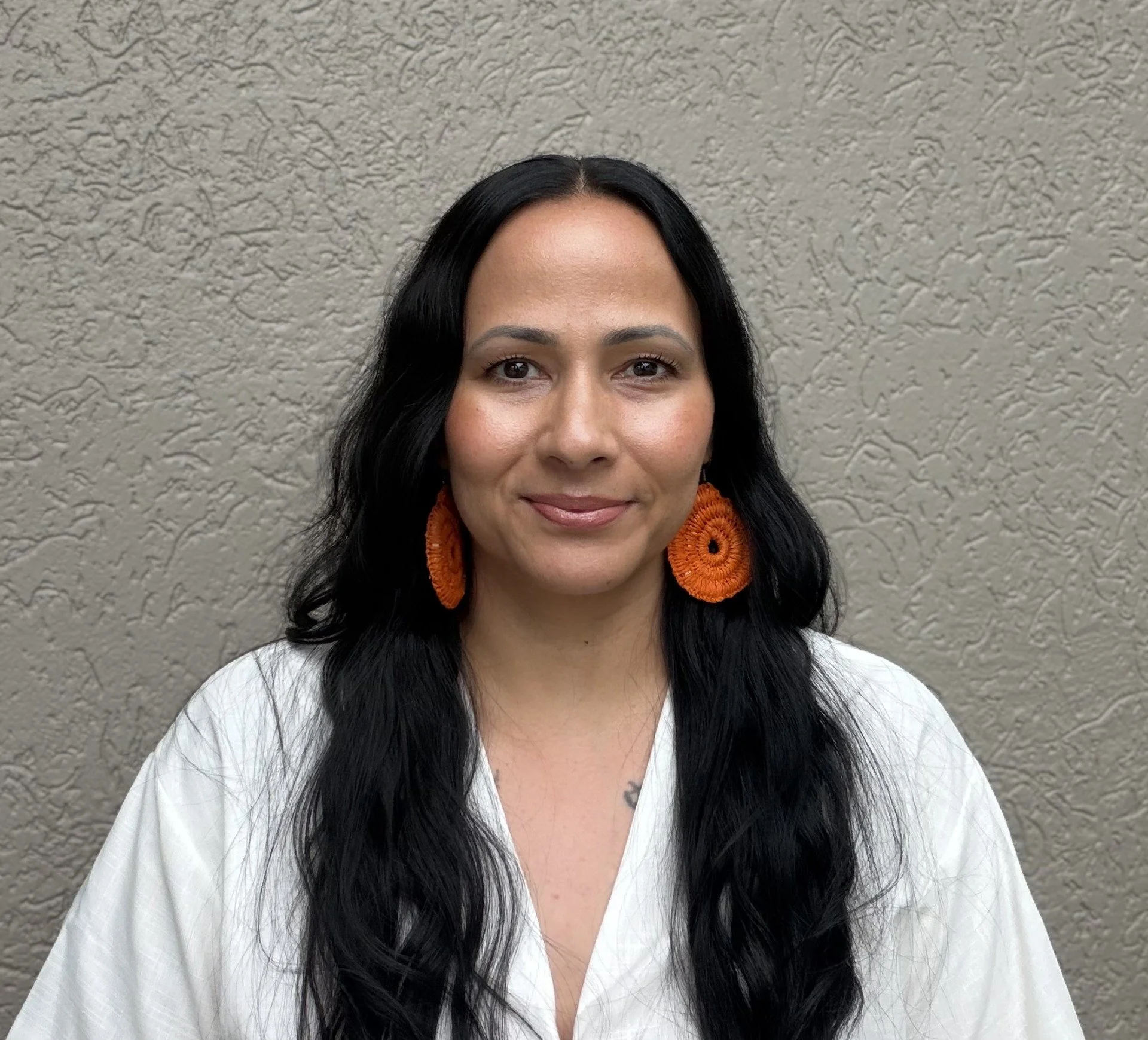
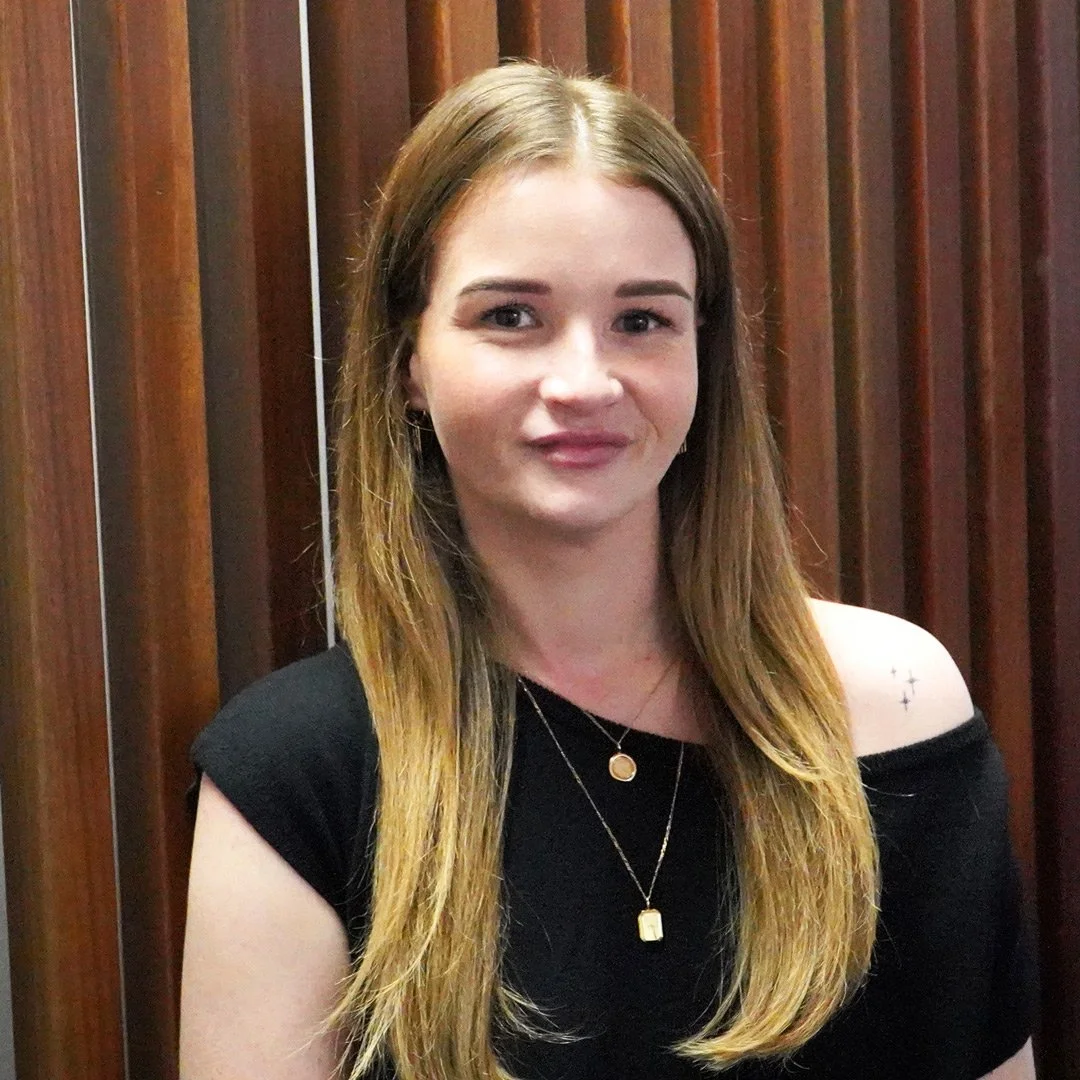
Bronte Charles
Communications and Engagement Officer
Bronte Charles (she/her) is a Bundjalung and Mununjali woman whose family comes from Beaudesert. She holds a Bachelor of Marketing and Media from Macquarie University and has a background in journalism and communications, having worked as a Cross Platform Journalist at NITV/SBS across news, current affairs and digital storytelling. Bronte is the Communications and Engagement Officer in the Project and Engagement Team at NATSIEC, working across communications, media and engagement.


Formal Partnership Agreement – NATSIEC and the Australian Government Department of Education
The Australian Government Department of Education signed a formal partnership agreement with the National Aboriginal and Torres Strait Islander Education Corporation (NATSIEC) on 7 March 2025 and with SNAICC – National Voice for our Children on 5 March 2025. These agreements set a new foundation for how the department works with NATSIEC and SNAICC to strengthen education outcomes for Aboriginal and Torres Strait Islander children, families, and communities, from early childhood through to higher education.
Each agreement recognises the leadership, knowledge, and strength of Aboriginal and Torres Strait Islander people and cultures in shaping education policy and reform. They build on commitments under the National Agreement on Closing the Gap, embedding the priority reforms to drive change in education systems and improve progress against national education targets.
As the national peak bodies for Aboriginal and Torres Strait Islander education and early childhood development, NATSIEC and SNAICC will work alongside the Department of Education to ensure that First Nations voices are central to decision-making. These agreements affirm the department’s commitment to shared decision-making on policies and initiatives affecting Aboriginal and Torres Strait Islander children, young people, and their families.
These partnerships are an important step toward ensuring that education systems reflect and uphold Aboriginal and Torres Strait Islander aspirations, strengths, and rights.

A Timeline of Aboriginal Education
NATSIEC is built on the strong foundations of First Nations education that has taken place for millennia. Before colonisation, Aboriginal and Torres Strait Islander peoples had an education system that was vital to protecting, sharing and continuing culture.
Invasion and Assimilation Periods 1780s – 1960s
1788
Invasion and Colonisation Begin
British arrival disrupts Aboriginal ways of life, including traditional education and cultural transmission.
1841
Native Institution Established (Parramatta, NSW)
First formal attempt to assimilate Aboriginal children into settler society through education.
1901
Federation of Australia
Education becomes state-controlled, leading to inconsistent and exclusionary policies for Aboriginal children.
1937
Assimilation Policy Introduced
Education policies aim to assimilate Aboriginal people, erasing language and culture.
1965
Integration
Policy Replaces
Assimilation
Aboriginal culture is acknowledged in education, but control remains with non- Indigenous authorities.
The Rise of Aboriginal-Led Education Advocacy 1970s – 1980s
1973
The Karmel Report
Highlights educational marginalisation of Aboriginal students and leads to the National Aboriginal Education Committee (NAEC).
1975
SAAETCC (South Australia)
Led by George Tongerie and Lewis O’Brien, established to enhance Aboriginal representation in SA education.
1976
VAEAI (Victoria)
Established under Professor Colin Bourke, along with Eleanor Koumalatsos (Bourke), Bruce McGuinness, Nessie Skuta, David Anderson, Esmai Walker, Mary Atkinson and Alf Bamblett, to build an advocacy voice from across Koorie communities.
1977
NSW AECG (New South Wales)
Established to ensure input from Aboriginal voices in NSW education policies, under its first Chair, Keith ‘Chubby’ Hall.
1977
NAEC’s Goal for First Nations Teachers
Sets target for 1,000 Aboriginal and Torres Strait Islander teachers by 1990, successfully met.
The Expansion of Community-Led Education Advocacy 1980s – 2000s
1978
Feppi (Northern Territory)
Meaning ‘rock’ in Murrinh-Patha, providing Aboriginal perspectives on NT education.
1984
WA AECG (Western Australia)
Supports Aboriginal voices in WA education.
1984
NT AEAG (Nothern Territory)
Advocates for inclusive education in the NT.
1986
TSIREC (Torres Strait Islands)
Focused on Torres Strait Islander-specific education priorities.
1989
Aboriginal Education Policy (AEP)
National framework to improve Aboriginal education, later expanded to NATSIEP in 1990.
1990
NATSIEP Implemented
National strategy for improved education outcomes and increased First Nations teachers.
1997
TAEAG (Tasmania)
Formed to address the unique educational needs of Aboriginal Tasmanians.
Disruption and Rebuilding 2000s – 2020s
2009
Closing the Gap Initiative
Government targets to address disparities for Aboriginal and Torres Strait Islander people.
2010
Education Action Plan Launched
National Aboriginal and Torres Strait Islander Education Action Plan (2010–2014) introduces priority reform areas.
2011
ACT ATSIECG
Advocates for inclusive education policies in the ACT.
2014
Defunding of AECGs
Funding cuts under the Indigenous Advancement Strategy dismantle community-led education advocacy, forcing closures and silencing Aboriginal voices in education policy.
2015
National Aboriginal and Torres Strait Islander Education Strategy
Education Council endorses a national strategy aiming for consistent outcomes, but it lacks structures for community control or self-determination.
2016
IECBs Partner with the Commonwealth
Formation of the IECM, strengthening IECBs’ role in national policy.
Self-Determination in Education 2020s & Beyond
2023
NATSIEC Established
Becomes the national peak body for Aboriginal and Torres Strait Islander education.
2025
Formalising Shared Decision-Making
The Education Ministers Meeting signs a Partnership Agreement with NATSIEC, embedding First Nations leadership in national policy forums, including the Australian Education Senior Officials Committee (AESOC) and the Schools Policy Group (SPG).
2025 & Beyond
Shifting and System
NATSIEC drives structural change in education and training by embedding community-led approaches, restoring authority and holding systems accountable to First Nations learners.