
Putting First Nations knowledge, culture and community at the centre of learning
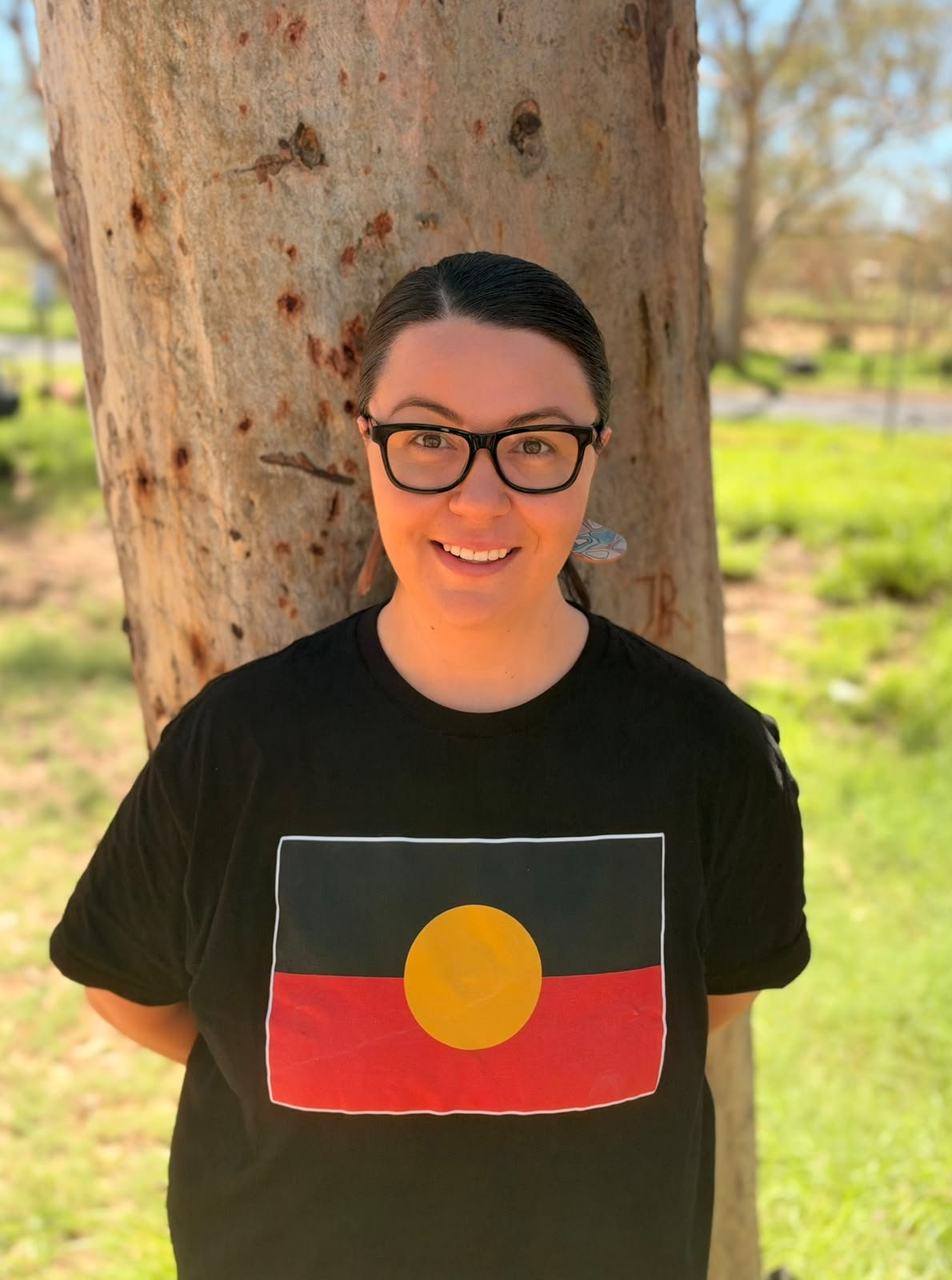
For Alanah Jack, education starts with identity.
A proud Gomeroi woman from the Pilliga region of New South Wales, Alanah is the Director of Learning and Wellbeing at Children's Ground in Central Australia, where she works alongside Arrernte and other First Nations educators, families and communities to achieve the vision of Elders to re-establish community-led education.
At the heart of Children’s Ground’s work is a simple but powerful idea: First Nations children should not have to leave their culture, identity or community at the school gate to succeed in education.
“Culture is not something added onto learning as an enrichment activity or special event. It is the foundation from which learning begins,” Alanah says.
Education designed with community
Children's Ground was established to give First Nations people genuine agency in how their children are raised, educated and supported to thrive.
Its approach is guided by a 25-year intergenerational strategy and brings together learning and wellbeing, health, community development, cultural development and economic development. The model recognises that children's educational outcomes cannot be separated from the families, cultures, communities and Countries they belong to.
Education is at the heart of Children’s Ground, and re-vitalising the oldest education systems in the world is the answer to quality learning and outcomes for children.
For Alanah, this is what First Nations-led education looks like in practice.
“First Nations-led education means that First Nations people make the decisions and drive the direction of teaching and learning,” she says. “It is about recognising the strength of our ways of teaching and allowing our culture and language to be at the centre of everything we do”
Rather than communities being consulted after decisions have already been made, families and Elders are involved from the beginning in determining what success looks like, what children should learn and how learning should happen from both a First Cultural and global perspective.
One example is Children's Ground's Learning and Wellbeing Plans, which are centred around Apmerengentyele, an Arrernte worldview. Families and Elders identify goals for their children across cultural, Western education, health and wellbeing domains, which then inform the teaching, learning and support provided.
This can include aspirations around language, identity, family connections, cultural responsibilities and connection to Country alongside broader educational goals.
Learning across generations
At Children's Ground, Elders, families and knowledge holders are not occasional visitors to the learning environment. They are central to it.
Elders set standards, policies, and oversight cultural knowledge, language, stories, history and knowledge of Country, while families contribute their aspirations, relationships and everyday knowledge.
Intergenerational learning is a key part of the approach. In some communities, four generations can be learning together - creating opportunities for knowledge, relationships and cultural responsibilities to be passed between generations.
For Alanah, this reflects a broader understanding of what education can be.
“Rather than positioning education as something delivered by one teacher to a group of students, we see learning as a collective and lifelong process that belongs to the whole community.”
Recognising the strengths children bring
Alanah says First Nations education is too often viewed through a deficit lens, rather than recognising the knowledge and strengths children and communities already hold. Children’s Ground believes First Nations knowledge systems should be valued alongside Western knowledge systems, giving children the opportunity to learn from both without having to leave their identity behind.
Alanah explains that “Education is strongest when multiple knowledge systems are respected, valued and woven together, allowing children to grow up confident in who they are and equipped to succeed wherever they choose to go.”
That includes recognising outcomes beyond traditional academic measures. Alanah says strong identity, language, culture, wellbeing, family connections and belonging are important foundations for children’s success and should be recognised as strengths in their own right. Children’s Ground has designed and verified a cultural based development assessment to track learning outcomes.
A model for lasting change
As Australia develops its first First Nations Education Policy in 37 years, Alanah says governments can learn from approaches that place First Nations communities in positions of leadership and decision-making.
“Real change requires governments to invest in First Nations communities as leaders, designers and decision-makers in education, rather than as recipients of programs designed elsewhere.”
She also emphasises the importance of long-term investment.
This commitment to long-term, community-led reform is also reflected in Utyerre Apanpe - a national movement that has been growing quietly but powerfully through the efforts of Children’s Ground. Alanah describes it as a place where Elders, families, educators and community organisations come together, sharing First Nations educational practices from across the many Countries and Nations. People bring their expertise, share their practice, their stories, their languages and their hopes for the future of education and their children with them. Grounded in First Nations ways of knowing, Utyerre Apanpe gives cultural authority its rightful place at the centre of decision-making, shaping what children learn, how learning happens and how success is understood.
For Alanah, Utyerre Apanpe shows governments what becomes possible when First Nations leadership is not consulted but embedded: an education system grown from culture, identity and Country, accountable to the communities it serves and capable of delivering lasting, intergenerational change. Where committed organisations sit in partnership to realise and support this cultural authority and work together to achieve reform.
Children's Ground's 25-year strategy reflects the understanding that meaningful change cannot be achieved through short-term funding cycles or programs.
For Alanah, the opportunity is to create an education system where First Nations children can grow strong in culture, language and identity while achieving their aspirations. “I want my son, his children and the generations that follow to stand strong and proud in who they are and where they come from. To me, so much of that strong sense of belonging, confidence and wellbeing starts in schools and classrooms.”
The vision of the Elders, held deeply by Alanah reflects a central message emerging from First Nations education: when communities have genuine authority to shape education, culture and identity are not barriers to educational success - they are foundations for it.